Creative Writer: A Light Handwritten Font for Luxurious Brand Design
Creative Writer Adds a Luxury Spark to Brand Identity Projects
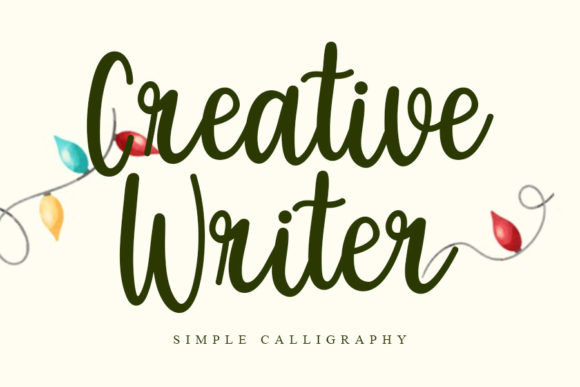
As a brand designer, I often start a new project with a blank brand board, searching for that perfect visual tone. When I first opened Creative Writer, a Script Handwritten font, I was immediately drawn to its elegant, airy strokes. It felt like a breath of fresh air compared to the heavier script fonts I usually reach for. I tested it on a logo concept for a small skincare brand, and the result was unexpectedly refined. The font’s lightness gave the identity a soft, approachable edge while still feeling upscale and intentional.
Creative Writer for Logo Design and Packaging Mockups
One of the first real-world tests I gave Creative Writer was on a packaging mockup for a local artisan tea brand. I placed the font on a label layout, and the result was subtle yet memorable. The light handwritten style worked beautifully with minimalist design elements like soft pastel tones and clean lines. It didn’t overpower the layout but instead added a touch of personality and warmth.
In logo design, Creative Writer shines when used for brand names or taglines that lean into elegance and craftsmanship. It’s not a bold or attention-grabbing typeface, which makes it ideal for brands that want to communicate sophistication without shouting. That said, I wouldn’t recommend it for logos that need to be highly legible from a distance, like signage or outdoor banners.
How Creative Writer Performs in Web Design and Social Media Graphics
For a creative studio’s website refresh, I tried Creative Writer in the hero header section. Paired with a clean sans-serif for body text, it created a strong visual hierarchy. On the screen, the Script Handwritten texture held up well, especially at larger sizes. However, I noticed that at smaller sizes, some of the delicate strokes began to disappear, making it less than ideal for subheadings or secondary text.
In social media design, particularly Instagram stories and Pinterest graphics, Creative Writer performed beautifully. Its handwritten texture gave a personal, curated feel to quote graphics and brand announcements. It’s especially effective for businesses that want to feel more human and less corporate—think lifestyle brands, boutique shops, and creative professionals.
Creative Writer for Business Cards and Print Design
When it came to printed materials like business cards and thank-you notes, Creative Writer delivered a luxurious finish. I used it for the name and tagline on a set of minimalist business cards, and the result was elegant and modern. The font’s fine lines and soft curves gave the design a tactile, handcrafted quality that felt exclusive and bespoke.
However, I did notice that in printed formats with lower resolution or less precise printing methods, some of the finer details of the font got lost. For high-end print work like letterpress or foil stamping, this Fonts choice is ideal. But for standard digital printing or home-printed materials, it might not render as crisply.
Font Pairing and Practical Considerations with Creative Writer
Pairing Creative Writer with other typefaces is where things get really interesting. It works best when balanced with a clean, modern sans-serif or a classic serif. For example, I paired it with a serif font for a boutique branding project, and the contrast between the two gave the layout a timeless, curated feel. As a display font, it should be used sparingly—ideally for headlines, short phrases, or accents rather than body text.
Before using Creative Writer in client work, I always recommend testing it across platforms and sizes. Preview it in print, on screen, and at different resolutions to ensure consistency. Also, double-check the font’s licensing terms—especially if you're using it for commercial design assets like templates, merchandise, or webfonts. Most Fonts like this include both desktop and web licenses, but it’s always better to be safe than sorry.