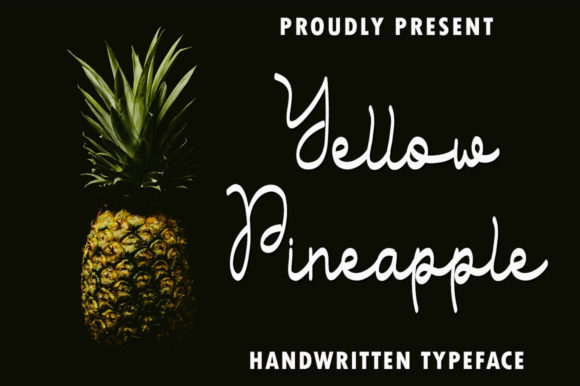
Yellow Pineapple: A Cute Handwritten Font for Modern Web Design
Yellow Pineapple in Website Headers and Hero Sections
Yellow Pineapple stands out as a script handwritten font that brings a touch of personality to website headers and hero sections. As a web designer, I often look for fonts that can command attention without sacrificing readability. Yellow Pineapple’s playful yet elegant curves make it ideal for hero titles, landing page headlines, and bold callouts. When used in large sizes, it creates a warm, approachable tone that invites users to explore further. Pair it with a clean sans serif like Helvetica or Open Sans to maintain balance and visual hierarchy in your web layouts.
Yellow Pineapple for Online Store Banners and Product Pages
In the world of e-commerce, first impressions matter. Yellow Pineapple can be a powerful tool for boutique online stores and product landing pages. Its friendly, handmade style works especially well for brands that want to convey authenticity and creativity. Use Yellow Pineapple in banners, limited-time offer sections, or feature highlights to draw attention without overwhelming the user. The font’s organic strokes help create a memorable brand tone, especially for businesses in the lifestyle, wellness, or artisanal product niches.
Yellow Pineapple on Mobile Screens and Responsive Layouts
When working with script handwritten fonts like Yellow Pineapple, it’s crucial to consider how they perform across screen sizes. While the font shines in large headers, it’s best reserved for short phrases or titles on mobile. Overusing it in body text can reduce readability, especially on smaller devices. For responsive web design, use Yellow Pineapple in hero sections or button text on desktop, and switch to a simpler font in mobile navigation bars or secondary headings. Always test contrast ratios and spacing to ensure legibility on dark or image-based backgrounds.
Yellow Pineapple for Call-to-Action Buttons and Conversion Sections
Call-to-action (CTA) buttons are critical for guiding user behavior. Yellow Pineapple can be used effectively in CTA sections when applied thoughtfully. For example, a “Shop Now” or “Join the Waitlist” button in Yellow Pineapple adds a personal, inviting touch—especially for creative brands or service-based websites. However, avoid using it in small buttons or dense layouts. Instead, pair it with ample whitespace and a high-contrast background to ensure the text remains legible and clickable.
Yellow Pineapple in Blog Graphics and Social Media Headers
For bloggers, content creators, and digital marketers, Yellow Pineapple is a great choice for blog headers, quote graphics, and Instagram story overlays. Its handwritten charm makes it perfect for quote cards, featured image titles, and newsletter headers. When designing blog graphics, use Yellow Pineapple sparingly—perhaps for a featured quote or a section title—while keeping supporting text in a more neutral font. This approach maintains visual interest while ensuring readability and scannability for online readers.
Font Pairing Tips with Yellow Pineapple in Web Design
Successful web design often depends on thoughtful font pairing. Since Yellow Pineapple is a decorative handwritten font, it works best when combined with a clean, functional typeface. For body copy, pair it with a sans serif like Montserrat or Lato to keep the layout balanced and easy to read. If you're designing a more editorial-style site, consider a serif font like Merriweather or Playfair Display for secondary text. This contrast helps establish a clear visual hierarchy and keeps your website looking polished and intentional.
Using Yellow Pineapple in Digital Course Pages and Membership Sites
Digital educators and course creators can benefit from using Yellow Pineapple in landing pages, module titles, and motivational banners. Its cheerful, approachable style makes it ideal for course headlines, welcome sections, and community branding. For membership sites, Yellow Pineapple can be used in welcome emails, dashboard headers, or feature announcements to maintain a cohesive and friendly tone. Just remember to use it in short bursts to avoid visual fatigue and ensure it complements your brand colors and imagery.
Yellow Pineapple for Creative Portfolios and Personal Branding
Creative professionals—such as illustrators, designers, and photographers—can use Yellow Pineapple to add a personal touch to their portfolio websites. Whether it’s in the site logo, a signature line, or a featured project title, Yellow Pineapple conveys warmth and authenticity. For personal branding, this font can help reinforce a unique voice in your digital presence, especially when used in conjunction with minimalist layouts and high-quality visuals that let the typography shine.
Practical Considerations When Using Yellow Pineapple
Before implementing Yellow Pineapple into your web project, make sure to review the font’s available styles, file formats, and webfont compatibility. Most modern fonts come with multiple weights and alternates, which can be useful for creating visual consistency across different screen sizes and layout elements. Additionally, check licensing details to ensure you have the right to use the font for commercial purposes—especially if you're designing client websites, online stores, or downloadable templates.
Yellow Pineapple in Email Newsletters and Digital Campaigns
Email design requires careful attention to readability and cross-client compatibility. Yellow Pineapple works well in email headers, campaign titles, and featured content blocks. However, since not all email clients support custom webfonts, it’s best to use it in image-based headers or as a fallback with a similar system font. When designing newsletters or marketing emails, use Yellow Pineapple to highlight key messages or special offers, reinforcing your brand’s personality and visual identity across digital touchpoints.